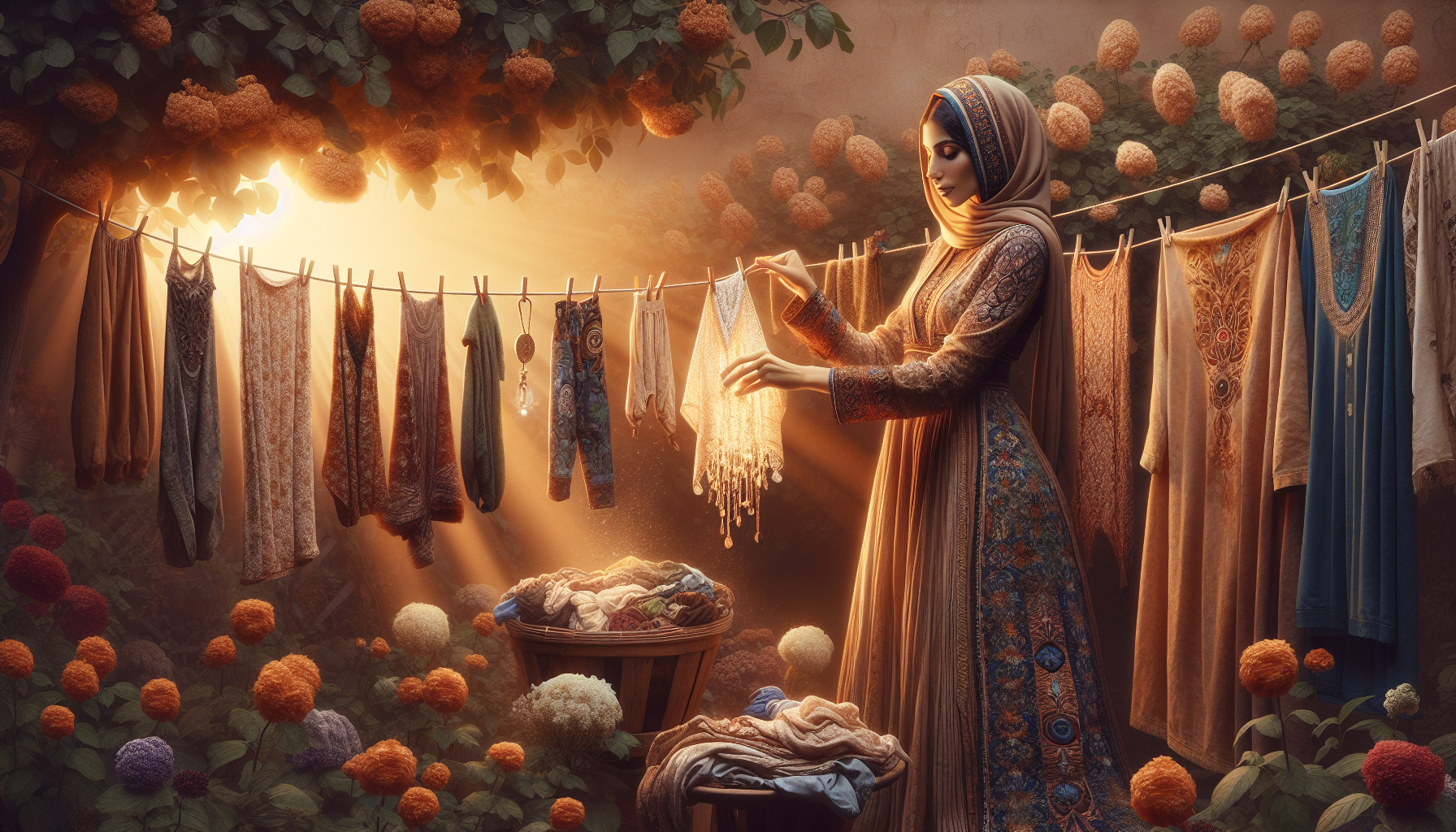
In a world drowning in trendy outfits that vanish as quickly as they appear, something special is happening behind the scenes of our closets. Come along as we peek into the world of “slow fashion,” discover:ing how it’s doing more than just switching up our outfits. It’s actually helping us think differently about shopping, taking care of our planet, and creating a unique style that’s all our own. Get ready to uncover: the surprising ideas that make slow fashion tick and how they connect with keeping things simple and beautiful, in ways you might never have imagined.
As we take a closer look at how this movement affects the Earth and the lives of people making our clothes, you’ll begin to see how what you choose to wear can really make a positive impact. We’re going to rethink what we usually believe about fashion and buying things, giving you a fresh view that might just transform your shopping habits for good.
But wait, this isn’t only about clothes! It’s about a whole new way of thinking that can change so many things. We’ll explore how slow fashion is opening people’s eyes and inspiring changes in industries way beyond just clothing. By the time you finish reading, you’ll have the knowledge to pick your clothes more wisely and maybe even look at all your belongings in a new light.
So, grab your favorite, most-loved piece of clothing and let’s start unraveling the secrets of the slow fashion movement. Who knows? You might just find that the coolest style of all is the one that lasts forever.
The Guiding Ideas of Slow Fashion: A Little Care Today Saves a Lot of Trouble Later
When you first hear “slow fashion,” it might sound a little strange. After all, isn’t fashion all about what’s new and hot right now? But stick with me, because slow fashion isn’t really about slowing down. It’s more about moving forward in a way that’s kinder to our planet and more thoughtful overall.
Slow fashion puts taking care of the environment and treating workers fairly first, using great materials and careful craftsmanship to make clothes that last. It’s kind of like the turtle in the famous race against the speedy hare – slow and steady wins the race, and in this case, it’s way more satisfying too.
“Slow fashion means creating, buying, wearing, and living better,” explains Kate Fletcher in her book ‘Slow Fashion: Aesthetics Meets Ethics.’ “It’s not about speed, but about quality (which takes time). ‘Slow’ isn’t the opposite of ‘fast’ – they’re not enemies – it’s just a different way of doing things where designers, shoppers, stores, and everyone are more aware of how products affect workers, communities, and the world around us.”
You can see this in action with brands like Patagonia and Eileen Fisher, who are big on using recycled stuff and making sure their workers are treated right. These companies make sure their clothes can be worn for more than just one season, which goes against the idea of throwing clothes away quickly.
But slow fashion is more than just making clothes that last a long time. It’s about building a wardrobe that stays stylish and useful in every way. And that leads us to our next point…
Keeping it Simple and Elegant: When Having Less Means Having More
Imagine a closet where everything goes together perfectly, where you can mix and match just a few items to create tons of different outfits. Sounds like a dream, right? Well, that’s the magic of slow fashion.
Slow fashion naturally fits with the idea of keeping things simple and elegant. Instead of chasing after every new trend, it focuses on pieces that are versatile and look good no matter what. It’s like creating a mini-wardrobe, but even bigger and better.
Elizabeth Cline, in her book ‘Overdressed: The Shockingly High Cost of Cheap Fashion,’ points out: “The main idea behind the slow fashion movement is to buy less and wear everything you have more often. It’s about changing how we see our clothes, thinking of them as investments that will last, not just something to toss away.”
Think of a classic black dress or a well-made wool coat. These are the kinds of pieces you can wear for years and always look amazing. They become the building blocks of a wardrobe that’s not only good for the planet but also super stylish.
But the impact of slow fashion goes way beyond just our own personal style. As we’ll see next, it has a huge effect on our Earth and the people who live here.
Making a Difference for the Planet and People: How Your Jeans Can Help Save the World
Picture this: you’re wearing a pair of jeans that not only make you look great but also help protect the environment and make people’s lives better. Sounds like something out of a movie? Nope! That’s just the reality of slow fashion.
By helping clothes last longer and making sure they’re made in a good way, slow fashion cuts down on waste and supports fair treatment for workers. It’s like turning your closet into a team of superheroes, with each piece fighting for a better world.
Kate Fletcher, in her book ‘Sustainable Fashion and Textiles: Design Journeys,’ says: “Slow fashion is totally different from how things are done today. It breaks away from the idea of always growing and being fast. It has a whole new set of goals based on different values and ways of doing things.”
Take the brand ‘Reformation,’ for instance. They keep track of how each piece of clothing affects the environment and are open about how they make their products. It’s like having a nutrition label for your clothes, but instead of counting calories, you’re counting things like carbon emissions and water use.
But for slow fashion to really make a difference, it needs more than just cool brands. It needs shoppers who get what it’s all about and embrace the ideas behind it. And that brings us to our last point…
Changing How We Think and Learning More: Dressing Your Mind for Success
What if every time you looked in your closet, you had to answer questions about where your clothes came from? It might sound a little crazy, but that’s actually the kind of thinking that slow fashion wants us to have.
This movement encourages shoppers to rethink how they buy things, suggesting that we invest in fewer, better-made items that are made in an ethical way. It’s like going from buying things without thinking to shopping with a purpose – a workout for your conscience!
Campaigns like ‘Who Made My Clothes?’ by Fashion Revolution aim to teach people about where their clothes come from. According to the Fashion Revolution’s ‘Fashion Transparency Index 2023’, “Being open and honest is the first step towards a fashion industry that’s kinder to the planet and treats people fairly. It helps us see how things are set up so we can figure out how to make them better.”
This educational side of slow fashion is maybe the most powerful thing about it. By changing how we think about our clothes, we can change how we shop, and in the end, how the fashion industry works.
Conclusion: Wearing the Change We Want to See
As we finish up our look at slow fashion, it’s clear that this movement is about way more than just clothes. It’s a big shift in how we see shopping, taking care of our planet, and creating our own personal style.
From the main ideas of slow fashion that focus on quality and making things last, to how it connects with keeping things simple and elegant, we’ve seen how this movement challenges what we thought fashion could be. We’ve explored how it affects the environment and people’s lives, showing how what we wear can have a ripple effect on the world.
And finally, we’ve talked about how important it is for shoppers to learn more and change their thinking to help this movement grow. By understanding the story behind our clothes, we can make better choices that match what we believe in.
Slow fashion asks us to rethink how we feel about our belongings, encouraging us to value quality over quantity, and being thoughtful over buying without thinking. It challenges us to see our clothes not just as things we wear, but as investments in a future that’s better for everyone.
So, the next time you’re standing in front of your closet, remember: you’re not just picking an outfit. You’re making a statement about the kind of world you want to live in. And that, my friend, is a style that will always be in fashion.
As we wrap up this discussion on slow fashion, what changes will you make in your own wardrobe? How will you wear your beliefs? The ability to reshape the fashion world – and our world in general – is literally in your hands. So go ahead, dress for the change you want to see. After all, in the world of slow fashion, every little bit counts.
[References]
[1] Fletcher, K. (2010). Slow Fashion: Aesthetics Meets Ethics. Earthscan.
[2] Cline, E. L. (2012). Overdressed: The Shockingly High Cost of Cheap Fashion. Penguin Books.
[3] Fletcher, K. (2008). Sustainable Fashion and Textiles: Design Journeys. Earthscan.
[4] Fashion Revolution. (2023). Fashion Transparency Index 2023. https://www.fashionrevolution.org/about/transparency/
If you’ve enjoyed this article it would be a huge help if you would share it with a friend or two. Alternatively you can support works like this by buying me a Coffee