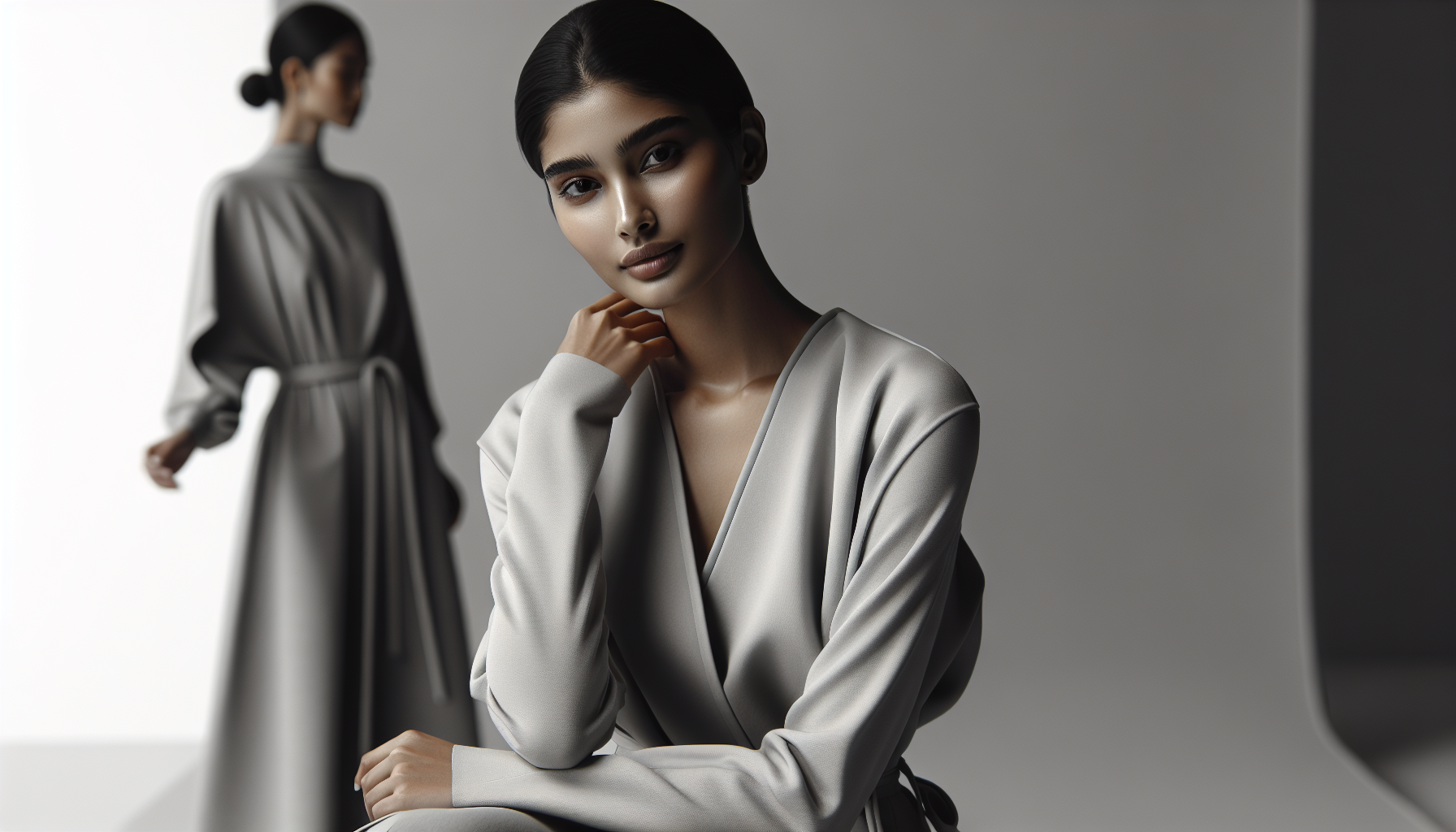
In a world where fashion often screams for attention, a whisper can be deafening. As we witness the return of understated elegance to the forefront of style, one can’t help but wonder: Is less truly becoming more? This shift in the fashion landscape isn’t just about clothing; it’s a reflection of changing values, a rebellion against excess, and a rediscover:y of the power of simplicity. But what does this mean for the future of fashion, and why are we suddenly drawn to the quiet allure of classic style?
The Paradox of Loud Silence
In recent years, award shows and red carpets have become battlegrounds of extravagance. Designers push the boundaries with ever more daring cuts, blinding sequins, and gravity-defying structures. Yet, amidst this cacophony of couture, a different kind of statement is emerging – one that speaks volumes through its very restraint.
At the latest Oscars, while many stars dazzled in their usual glittering array, a few stood out for an entirely different reason. These fashion mavericks turned heads not with outrageous designs, but with sophisticated black evening dresses that echoed the timeless elegance of Audrey Hepburn in “Breakfast at Tiffany’s.” It was as if these attendees had discover:ed a secret weapon: the power of understatement.
This contrast between contemporary excess and classic simplicity isn’t just a fleeting trend. It’s a conversation about values, a dialogue between the past and the present, and perhaps a glimpse into the future of fashion.
The Timeless Trendsetters
When we think of enduring style icons, names like Audrey Hepburn and Grace Kelly invariably come to mind. But what is it about these figures that continues to captivate us decades after their heyday?
Audrey Hepburn once said, “Elegance is the only beauty that never fades.” Her simple black dress in “Breakfast at Tiffany’s” wasn’t just a costume; it was a manifesto of style that continues to influence fashion today. Similarly, Grace Kelly’s wedding dress, with its intricate yet understated detailing, remains a touchstone for bridal designers worldwide.
These women weren’t just wearing clothes; they were embodying an attitude. Their style choices communicated a calm confidence and poised elegance that transcended the fabric and stitches of their garments. In an age of influencers and instant trends, perhaps we’re yearning for that same sense of timeless sophistication.
The Art of Quiet Luxury
As we navigate this shift towards understated elegance, we’re witnessing a renewed appreciation for discretion and good taste. But what does “good taste” really mean in the 21st century?
Today’s designers are redefining luxury not through logos and bling, but through quality, durability, and thoughtful design. Brands like The Row and Celine are leading this charge, offering collections that prioritize calm sophistication over seasonal trends. Their clothes don’t shout; they whisper sweet nothings about craftsmanship and attention to detail.
This movement is about more than just aesthetics. It’s a philosophy that suggests true elegance doesn’t need to announce itself. It’s about mastering the art of subtle impact, where the power lies in what’s left unsaid – or in this case, unworn.
The Minimalist Manifesto
The resurgence of understated elegance isn’t happening in a vacuum. It’s part of a broader cultural shift towards minimalism, sustainability, and mindful consumption. As we grapple with the environmental and psychological costs of fast fashion, many are finding solace in the idea of a capsule wardrobe – a curated collection of versatile, high-quality pieces that can be mixed and matched endlessly.
This approach to fashion is less about following trends and more about developing a personal style that stands the test of time. It’s a rebellion against the disposable nature of modern consumerism, a way of saying, “I choose quality over quantity, longevity over novelty.”
But here’s where it gets interesting: by limiting our choices, are we actually expanding our creativity? Is there perhaps more freedom in constraint than in endless options?
The Psychology of Simplicity
As we embrace this return to classic style, it’s worth considering the psychological impact of our fashion choices. In a world that often feels chaotic and unpredictable, there’s something comforting about the clean lines and muted palettes of understated elegance.
Perhaps this trend is a form of sartorial self-care, a way of creating order in our personal universe when the wider world feels out of control. By choosing timeless pieces over trendy ones, we’re not just simplifying our wardrobes – we’re simplifying our lives.
But let’s play devil’s advocate for a moment. Could this trend towards understatement be a form of fashion cowardice? Are we perhaps hiding behind simplicity rather than expressing our true selves?
The Future of Fashionable Restraint
As we look to the future, it’s clear that understated elegance is more than just a passing fad. It’s a movement that challenges us to rethink our relationship with fashion, consumption, and self-expression.
Imagine a world where fashion shows celebrate subtlety as much as spectacle, where the most coveted pieces are those that whisper rather than shout. It’s a world where we invest in clothes not for a season, but for a lifetime.
But this vision comes with its own set of challenges. How do we keep simplicity from becoming boring? How do we innovate within the constraints of classic style? And perhaps most importantly, how do we ensure that this movement towards understated elegance doesn’t become yet another form of elitism, accessible only to those who can afford “quiet luxury”?
The Silent Revolution
As we stand at this fashion crossroads, it’s clear that understated elegance is more than just a trend – it’s a quiet revolution. It’s a movement that challenges us to find beauty in simplicity, power in restraint, and individuality in timelessness.
From the red carpets of Hollywood to the streets of our everyday lives, this shift towards classic style is redefining what it means to be fashionable. It’s prompting us to ask not “What’s new?” but “What’s true?” – true to our personal style, true to our values, and true to the legacy of those iconic figures who showed us that true elegance never goes out of fashion.
As we embrace this new (old) approach to style, we’re not just changing our wardrobes – we’re changing our worldview. We’re learning that sometimes, the most powerful statement is the one made softly, that true confidence doesn’t need to shout, and that in the cacophony of modern life, a whisper can indeed be deafening.
So, as you stand before your closet tomorrow morning, ask yourself: What story do I want my clothes to tell? And remember, sometimes the most unforgettable tales are those told in hushed tones, with grace, and with understated elegance.
If you’ve enjoyed this article it would be a huge help if you would share it with a friend or two. Alternatively you can support works like this by buying me a Coffee