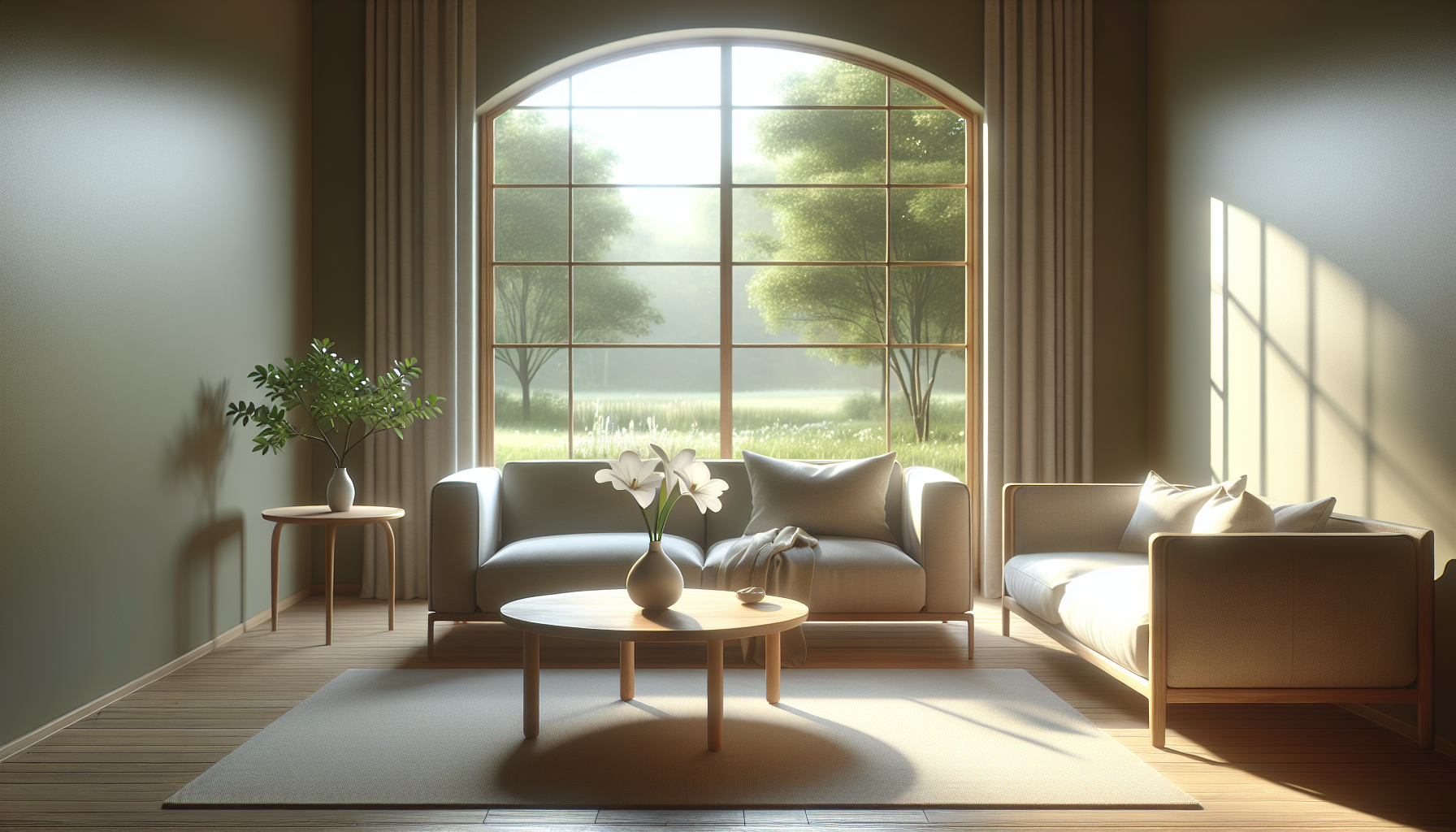
In a world teeming with excess—overflowing closets, packed schedules, relentless information—the idea of simple living shines like a quiet refuge. This article will lead you through the life-changing journey of embracing “less,” revealing how streamlining your existence can unlock unexpected joy and deep satisfaction.
As we unpack the philosophy of simple living, you’ll unearth the mental rewards of shedding excess baggage—the tangible and the intangible. We’ll dive into actionable methods for tidying both your physical space and your mental landscape, equipping you to navigate the emotional terrain of letting go. Yet, simple living transcends personal advantages; it’s deeply interwoven with the well-being of our planet. We’ll reveal how choosing a minimalist path can considerably lessen your impact on the environment, transforming you into a guardian of sustainability.
Prepare to challenge your ingrained notions of what truly sparks joy and purpose. By the end of this exploration, you’ll possess insights that may initially seem unconventional but hold the power to completely reshape your approach to living. So, clear your mind of preconceived notions, and let’s set out to discover: the art of “less”—where subtraction unexpectedly leads to addition.
The Simple Living Paradox: Finding More in Less
Amidst the constant noise of modern life, where achievement is often judged by square footage or brand names, the philosophy of simple living whispers a groundbreaking idea: authentic abundance resides in simplicity. It’s a notion that might shock even the most extravagant spenders—the belief that we can attain greater satisfaction by possessing fewer things.
The simple living trend isn’t about self-denial or deprivation. Rather, it’s a deliberate way of life that values experiences above material goods, relationships above social standing, and awareness above mindless acquisition. It’s the craft of carefully selecting the elements of your life with intention, choosing only those things that truly spark happiness or fulfill a purpose.
As Fumio Sasaki, author of “Goodbye, Things: The New Japanese Minimalism,” eloquently states, “Minimalism is not about having less. It’s about making room for more of what matters.” This perspective turns our traditional understanding of affluence on its head, suggesting that the wealthiest individual isn’t the one with the most possessions, but the one who requires the least.
The Psychological Transformation of Decluttering
Imagine your mind as a computer. Now, picture that computer running numerous unnecessary programs in the background. It’s sluggish, vulnerable to crashes, and exasperatingly inefficient. This mirrors the state of our brains when surrounded by clutter—both physical and mental.
Research featured in the Journal of Environmental Psychology has indicated that people who adopt minimalist lifestyles report elevated levels of happiness. But what’s the reason for this? The answer lies in the psychological transformation that takes place when we declutter our lives.
-
Reduced Decision Overload: Each item in your environment demands a decision—keep, discard, or relocate. By minimizing possessions, you’re freeing up mental energy for more important choices.
-
Increased Awareness: With fewer distractions, you’re more likely to be fully present, relishing experiences rather than accumulating possessions.
-
Enhanced Creativity: A simplified space can lead to a clearer mind, providing the mental space required for innovative thinking and problem-solving.
-
Improved Self-Esteem: Breaking away from the cycle of comparison and consumption can foster a stronger sense of self-worth based on who you are, not what you own.
The psychological rewards of simple living aren’t just anecdotal. Studies have revealed that individuals who prioritize experiences over material wealth report increased life satisfaction. It’s as if by eliminating the physical clutter, we’re also sweeping away the anxieties and worries that accumulate in our minds.
Decluttering: A Practical Guide to Letting Go
Now that we’ve examined the ‘why’ of simple living, let’s address the ‘how.’ Decluttering can appear overwhelming, particularly if you’ve spent years accumulating possessions. But don’t worry—equipped with effective strategies, you can transform your space from a chaotic mess into a peaceful haven.
The KonMari Method: Choose Joy or Say Farewell
Marie Kondo’s renowned tidying method has captivated the world, and for good reason. The central principle is straightforward: hold each item and ask yourself, “Does this spark joy?” If the answer is no, it’s time to thank the item for its purpose and let it go. This method isn’t solely about organizing; it’s about carefully selecting a life filled with things that genuinely bring you happiness.
The Four-Box Technique: Sort, Don’t Simply Move
This method involves categorizing items into four groups:
- Keep
- Donate
- Sell
- Trash
By compelling yourself to make a decision about each item, you avoid the common mistake of simply relocating clutter from one place to another.
The One-In, One-Out Rule: Maintain Equilibrium
For every new item that enters your home, one must leave. This simple rule helps maintain the balance of your space, preventing the gradual return of clutter.
Set Clear Goals: Imagine Your Ideal Space
Before you begin decluttering, take a moment to envision your ideal living space. What does it look like? How does it feel? Having a clear goal can provide motivation and direction throughout the decluttering process.
Remember, decluttering isn’t solely about eliminating things—it’s about creating space for what genuinely matters. As Joshua Fields Millburn from The Minimalists podcast advises, “Love people and use things, because the opposite never works.”
The Broad Impact: How Simple Living Affects the Planet
When we streamline our lives, we’re not only benefiting ourselves—we’re also making a positive contribution to the environment. The connection between simple living and sustainability is undeniable.
By consuming less, we inherently reduce our environmental impact. Every item we own has an environmental footprint—from the resources utilized to produce it to the energy needed to transport and eventually dispose of it. By embracing a more minimalist lifestyle, we’re essentially casting a vote for a more sustainable world with our purchasing decisions.
Consider these environmental advantages of simple living:
- Reduced Waste: Fewer possessions mean less waste ends up in landfills.
- Lower Energy Consumption: A smaller living space requires less energy for heating, cooling, and maintenance.
- Conscious Consumption: When we buy less, we tend to buy better, choosing quality items that are made to last.
- Support for Local Economies: Simple living often aligns with buying local, reducing transportation emissions and supporting local businesses.
Research featured in the International Journal of Consumer Studies has indicated that individuals who embrace minimalist lifestyles tend to make more environmentally responsible decisions. It’s as if by decluttering our homes, we’re also paving the way for more sustainable habits to take hold.
The Art of Less: A Fresh Look at Abundance
As we conclude our exploration of simple living, it’s evident that this philosophy offers far more than just a tidy home. It’s a transformative reimagining of what it means to live well—a perspective that values quality over quantity, experiences over possessions, and intention over impulse.
Simple living encourages us to question our assumptions about achievement and happiness. It invites us to consider that perhaps the secret to a fulfilling life isn’t in accumulating more, but in cultivating appreciation for what we already possess. It’s about creating space—both physically and mentally—for what truly matters.
As you embark on your own journey toward simple living, remember that it’s not about attaining flawlessness. It’s about progress, about making incremental changes that align your external world with your internal values. Start small—perhaps by decluttering one drawer or committing to a day without making any purchases. Notice how these small acts of simplification make you feel.
In the words of Leonardo da Vinci, “Simplicity is the ultimate sophistication.” By embracing the art of “less,” we open ourselves to a life of greater freedom, purpose, and joy. And in doing so, we might just discover: that the most uncomplicated life is also the most extraordinary.
References
If you’ve enjoyed this article it would be a huge help if you would share it with a friend or two. Alternatively you can support works like this by buying me a Coffee