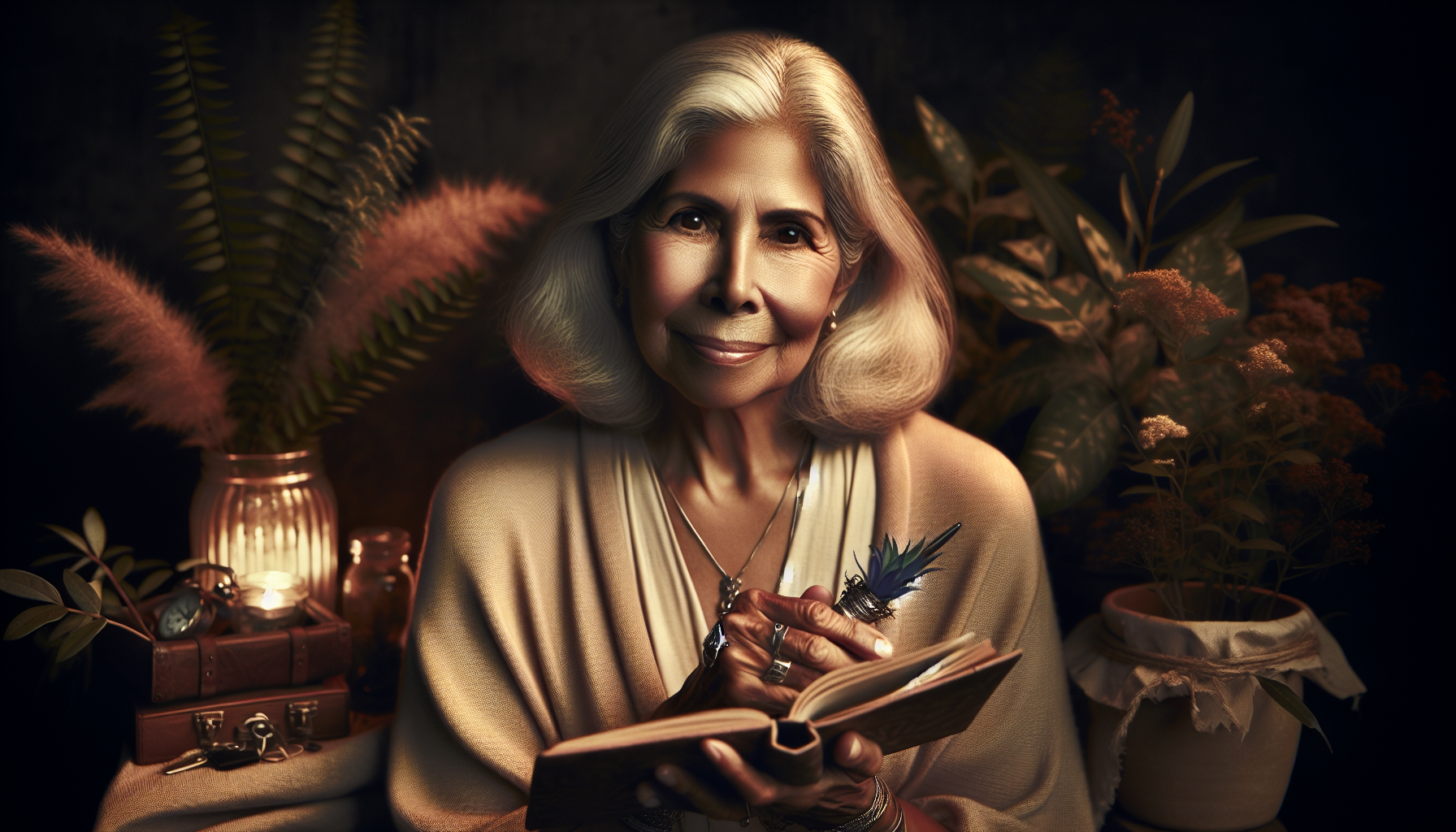
Rethinking the Golden Years: A Blueprint for Thriving, Not Just Surviving
Have you ever wondered why some people seem to waltz effortlessly into their twilight years, while others stumble? The secret might just lie in the art of “successful aging” - a concept that’s about as paradoxical as it sounds. After all, isn’t aging inherently a process of decline? Not necessarily, and that’s where our journey begins.
The Fountain of Youth: It’s Not What You Think
Imagine a world where getting older doesn’t mean slowing down, but rather shifting gears. That’s the essence of successful aging. It’s not about finding a magical elixir to stop time, but rather about making Father Time your dance partner instead of your nemesis.
Physical Health: Your Body as a Fine Wine
Let’s start with the obvious - your body. Like a vintage automobile, it needs regular maintenance to keep running smoothly. But here’s where it gets interesting: your body isn’t just a machine; it’s a living, adapting organism.
According to Harvard Health Publishing, regular exercise isn’t just about keeping fit; it’s about teaching your body new tricks. Think of it as reprogramming your biological software. Those who incorporate activities like walking, swimming, or yoga into their daily routines often report better overall health and mobility as they age.
But here’s the kicker - it’s not just about pumping iron or running marathons. It’s about finding joy in movement. Ever seen an octogenarian doing the tango? That’s successful aging in action.
Mental Gymnastics: Keeping Your Brain on Its Toes
Now, let’s talk about that three-pound universe between your ears. Your brain is like a muscle - use it or lose it. But here’s where it gets fun: learning a new language in your 60s isn’t just impressive; it’s a cognitive fountain of youth.
The American Psychological Association suggests that engaging in lifelong learning and mental challenges can significantly slow cognitive decline. So, next time someone tells you can’t teach an old dog new tricks, remind them that humans aren’t dogs, and your brain is always ready for a new challenge.
Social Butterfly Effect: The Power of Connection
Here’s a thought that might seem counterintuitive: as we age, our social circles often shrink, but that’s precisely when we need them most. The Centers for Disease Control and Prevention (CDC) reports that elderly individuals who frequently participate in social gatherings, volunteer work, or community events often report higher levels of life satisfaction and lower levels of depression.
Think of it this way: every conversation, every shared laugh, every moment of connection is like a deposit in your emotional bank account. And in the later years, those dividends pay off big time.
Financial Acrobatics: Balancing the Books of Life
Now, let’s talk about something that makes many people’s palms sweat - money. The Economic Policy Institute emphasizes the importance of financial planning for retirement. But here’s a twist: financial health in later years isn’t just about having a fat bank account. It’s about the freedom to make choices.
Those who have planned and saved often face fewer financial stresses and can afford better healthcare and lifestyle choices. But remember, the richest person isn’t always the one with the most money, but the one who needs the least.
The Purpose-Driven Life: Finding Your ‘Why’ at Any Age
Here’s where things get philosophical. The Blue Zones research suggests that having a sense of purpose is vital for emotional and mental health as we age. But here’s the beautiful part - purpose doesn’t have an expiration date.
Retirees who take up mentoring, start passion projects, or engage in activities that give them a sense of contribution tend to report higher levels of life satisfaction. It’s not about what you do, but why you do it. Your purpose could be as grand as solving world hunger or as simple as making your grandkids laugh. Both are equally valuable.
The Plot Twist: Aging is an Art, Not a Science
As we wrap up this journey through the landscape of successful aging, remember this: there’s no one-size-fits-all approach. The art of aging gracefully is about writing your own story, painting your own masterpiece with the palette of experiences life has given you.
So, dear reader, as you navigate your own path through the years, remember: age is just a number, but how you live that number? That’s entirely up to you. Here’s to making every year count, to dancing with time instead of running from it, and to redefining what it means to age successfully.
After all, isn’t the best way to predict your future to create it?
If you’ve enjoyed this article it would be a huge help if you would share it with a friend or two. Alternatively you can support works like this by buying me a Coffee